Fifteen-plus years of BC mortgage experience, distilled into practical writing on buying, renewing, refinancing, and building wealth through real estate.
Housing Targets Mean Little Without the Trades Workers to Build Them
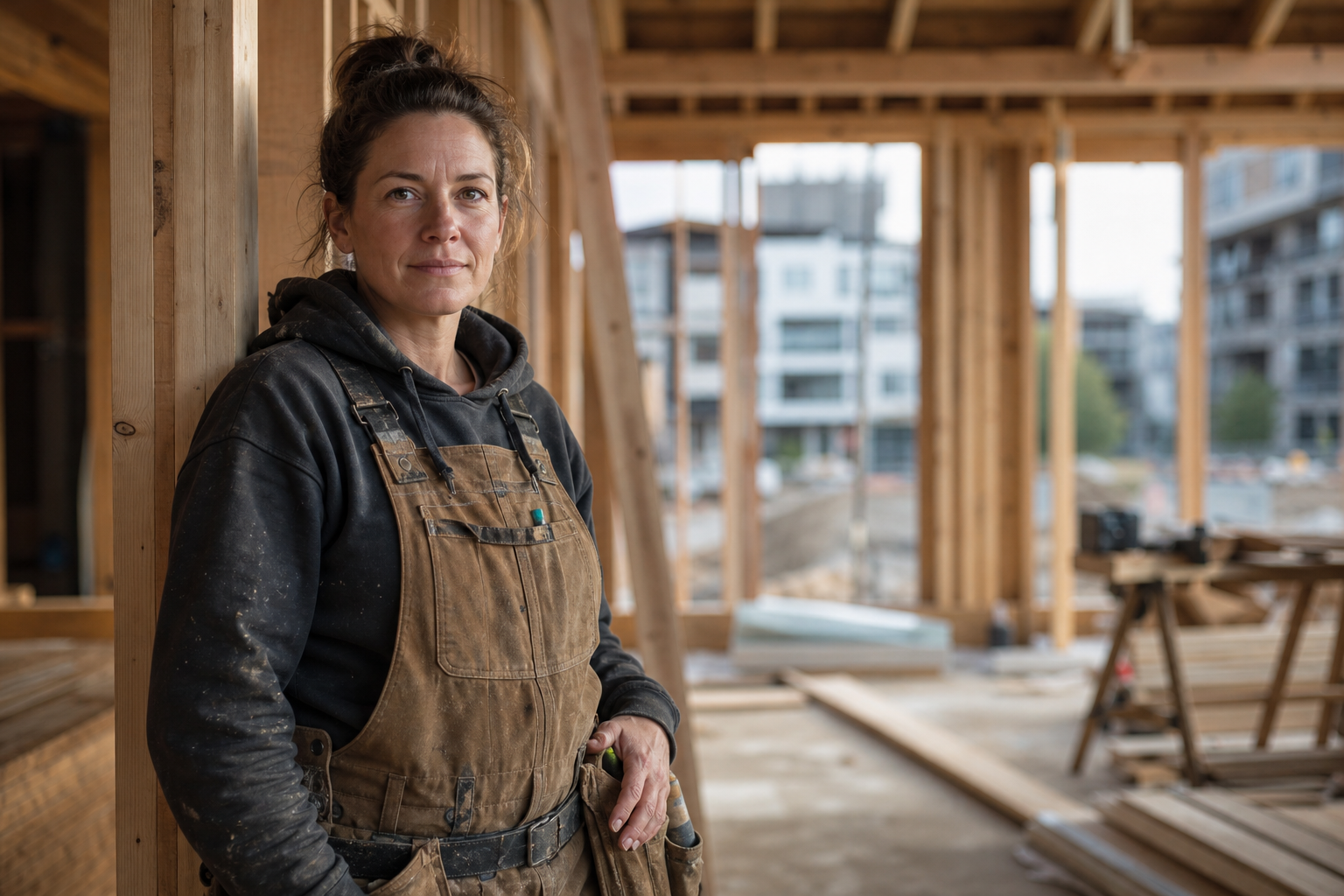
In late 2023, British Columbia passed legislation that lets most lots once limited to a single detached house hold three to six units, depending on lot size and transit access. That change, along with the companion bills on development charges and transit-oriented density, removed a long list of legal barriers. It did not add a single electrician, framer or plumber. A permit allows a home to be built. People with tools and training still have to build it.
The scale of what is being asked is large. In September 2026, CMHC estimated that Canada needs up to 4.69 million new homes by 2036, and it cautioned that construction could slow. For comparison, the country started 259,028 homes in 2025, according to CMHC. Reaching the higher pace requires more than zoning and financing. It requires crews, and the crews are getting older.
Why the labour gap is slow to close
BuildForce Canada's outlook reports have warned for several years that British Columbia's construction industry will need to recruit tens of thousands of workers over the next decade. Much of that demand comes from retirements, not new projects. The BC Construction Association has made a similar point. A large share of the province's tradespeople are close enough to retirement that the industry has to hire just to stay the same size.
Training new workers takes time. Most apprenticeships in this province run about four years, combining paid work on site with blocks of classroom training. Across Canada, only about half of registered apprentices have historically finished their programs. People leave because of seasonal layoffs, physical strain, or a better offer in another sector. Recruiting more young people helps, but keeping them in the trade through year three and four matters just as much.
The province has also brought back mandatory certification through SkilledTradesBC. Since late 2022, certain trades, including electrical and some mechanical trades, require workers to be certified or registered as apprentices. Over time, that should improve quality and give the work more professional standing. In the short term, it means the training system has to handle more people, and a shortage of instructors or seats becomes a bottleneck of its own.
The type of skill needed is changing too. As the BC Energy Step Code pushes new homes toward higher efficiency, builders need people who understand airtight building envelopes, heat pumps and ventilation systems. Factory-built and modular homes reduce some of the labour on site, but someone still has to prepare the site, set the foundation, connect the services and finish the work. Prefabrication helps. It does not replace skilled trades.
What it looks like in the Interior
In a community like Armstrong, the shortage shows up in practical ways. Local trades often find steadier, larger contracts in Kelowna or on major infrastructure projects. Rebuilding after recent wildfire seasons in the Okanagan and Shuswap has also drawn on the same pool of workers. When several large jobs compete for the same crews, a homeowner with a small renovation or a single new build moves down the list.
This affects price. When demand for builders runs ahead of supply, quotes go up even if lumber and drywall prices stay flat, because labour is the scarce input. Wait times increase, and contractors become more selective about which jobs they accept.
What this means for buyers and investors
For a first-time buyer considering a new build or a major renovation, the schedule is a financial issue. A delayed completion can push a rate hold past its expiry or leave you paying rent and a mortgage at the same time. Before committing, ask who is actually doing the work, whether those crews are booked on other projects, and how the contract deals with delays.
For investors planning a multiplex under the new zoning rules, labour availability belongs in the analysis alongside interest rates and rents. A project that works on paper at a twelve-month build can look very different at twenty months with carrying costs added. The zoning approval is the easier part. Having a reliable builder, ideally one with a record of finishing small multi-unit projects in your area, is often the more valuable advantage, and it is worth negotiating for directly.
Policy has done much of what policy can do. The remaining constraint is the number of trained people available to build, and in the Interior that is the factor that decides how quickly new homes actually get finished.



In late 2023, British Columbia passed legislation that lets most lots once limited to a single detached house hold three to six units, depending on lot size and transit access. That change, along with the companion bills on development charges and transit-oriented density, removed a long list of legal barriers. It did not add a single electrician, framer or plumber. A permit allows a home to be built. People with tools and training still have to build it.
The scale of what is being asked is large. In September 2026, CMHC estimated that Canada needs up to 4.69 million new homes by 2036, and it cautioned that construction could slow. For comparison, the country started 259,028 homes in 2025, according to CMHC. Reaching the higher pace requires more than zoning and financing. It requires crews, and the crews are getting older.
Why the labour gap is slow to close
BuildForce Canada's outlook reports have warned for several years that British Columbia's construction industry will need to recruit tens of thousands of workers over the next decade. Much of that demand comes from retirements, not new projects. The BC Construction Association has made a similar point. A large share of the province's tradespeople are close enough to retirement that the industry has to hire just to stay the same size.
Training new workers takes time. Most apprenticeships in this province run about four years, combining paid work on site with blocks of classroom training. Across Canada, only about half of registered apprentices have historically finished their programs. People leave because of seasonal layoffs, physical strain, or a better offer in another sector. Recruiting more young people helps, but keeping them in the trade through year three and four matters just as much.
The province has also brought back mandatory certification through SkilledTradesBC. Since late 2022, certain trades, including electrical and some mechanical trades, require workers to be certified or registered as apprentices. Over time, that should improve quality and give the work more professional standing. In the short term, it means the training system has to handle more people, and a shortage of instructors or seats becomes a bottleneck of its own.
The type of skill needed is changing too. As the BC Energy Step Code pushes new homes toward higher efficiency, builders need people who understand airtight building envelopes, heat pumps and ventilation systems. Factory-built and modular homes reduce some of the labour on site, but someone still has to prepare the site, set the foundation, connect the services and finish the work. Prefabrication helps. It does not replace skilled trades.
What it looks like in the Interior
In a community like Armstrong, the shortage shows up in practical ways. Local trades often find steadier, larger contracts in Kelowna or on major infrastructure projects. Rebuilding after recent wildfire seasons in the Okanagan and Shuswap has also drawn on the same pool of workers. When several large jobs compete for the same crews, a homeowner with a small renovation or a single new build moves down the list.
This affects price. When demand for builders runs ahead of supply, quotes go up even if lumber and drywall prices stay flat, because labour is the scarce input. Wait times increase, and contractors become more selective about which jobs they accept.
What this means for buyers and investors
For a first-time buyer considering a new build or a major renovation, the schedule is a financial issue. A delayed completion can push a rate hold past its expiry or leave you paying rent and a mortgage at the same time. Before committing, ask who is actually doing the work, whether those crews are booked on other projects, and how the contract deals with delays.
For investors planning a multiplex under the new zoning rules, labour availability belongs in the analysis alongside interest rates and rents. A project that works on paper at a twelve-month build can look very different at twenty months with carrying costs added. The zoning approval is the easier part. Having a reliable builder, ideally one with a record of finishing small multi-unit projects in your area, is often the more valuable advantage, and it is worth negotiating for directly.
Policy has done much of what policy can do. The remaining constraint is the number of trained people available to build, and in the Interior that is the factor that decides how quickly new homes actually get finished.
Read Next
200 Basis Points or 2%: What OSFI's Qualifying Rate Update Means for You
Canada's U.S. Export Dependency Dropped 3.7 Points Since Your Last Tariff Risk Check
Capital Power's Tariff Shield Holds, But Rate Assumptions Have Shifted: A Portfolio Reality Check for 2026
Small Business Deduction Passive Income Threshold Drops to $50,000 in Most Provinces: What Cross-Border Earners Need to Recalculate Now