Fifteen-plus years of BC mortgage experience, distilled into practical writing on buying, renewing, refinancing, and building wealth through real estate.
Shared Roofs, Longer Stays: How Affordability Is Rewriting Canada's First Home Plans
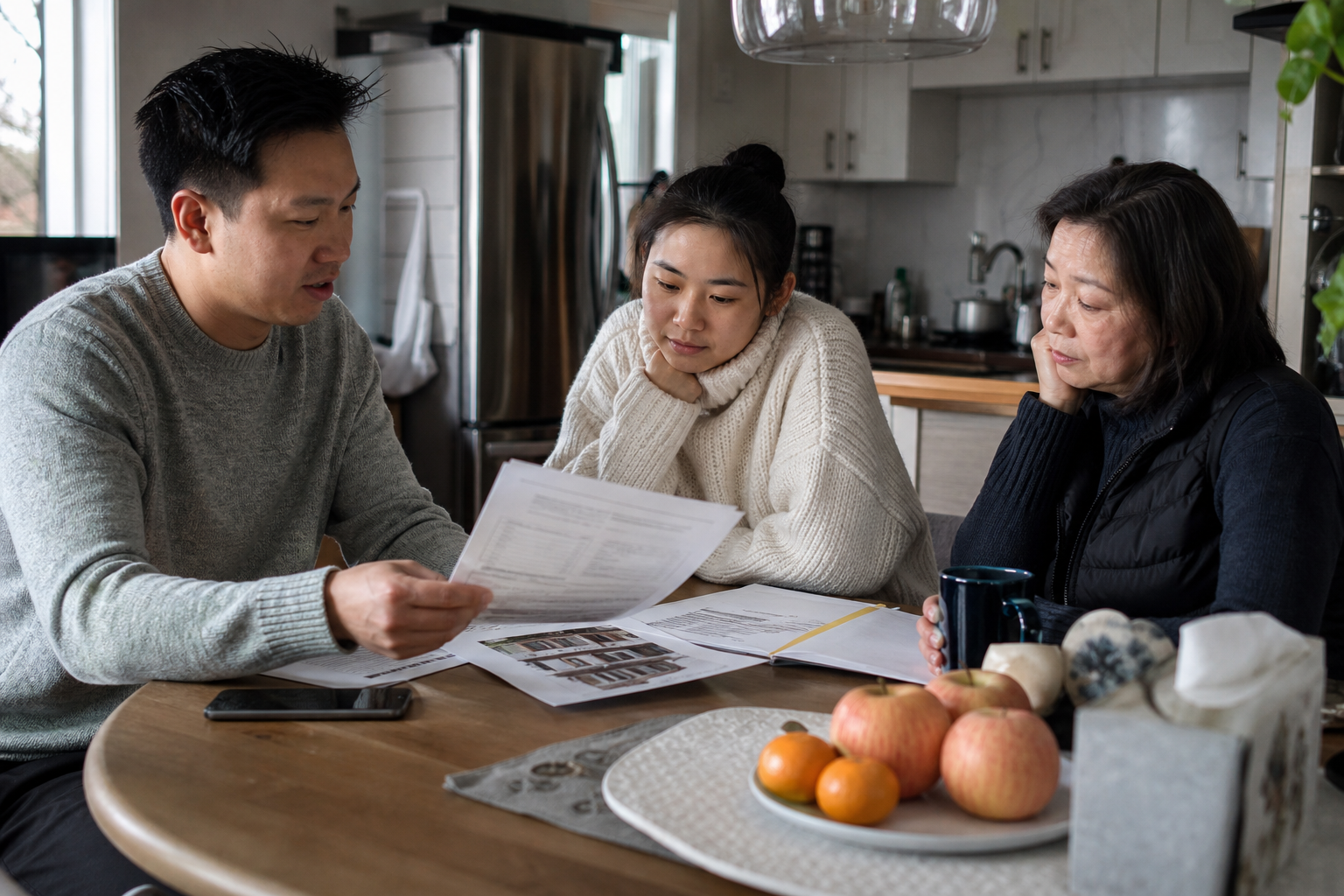
In a 2026 RBC poll, 54% of prospective Canadian homebuyers said they would consider living with extended family to make a purchase work. The same poll found that 74% of upcoming first-time buyers want a home they can stay in for the long haul, so they skip the small place they'd sell in five years.
Put those two numbers side by side and a different plan appears. Buyers are trying to buy once, and to make that one purchase carry more people, more income and more years. In British Columbia, where a second purchase means paying Property Transfer Tax again plus moving and legal costs, that plan makes financial sense. It also changes what you should look for in a property, how a lender will read your application, and which legal details need settling before you write an offer.
Shop for what the property can become
A starter condo is priced on what it is today. A house you plan to share is worth what it can hold later: a basement that can become a legal suite, a lot with room for a garden suite, a layout where a grandparent can live on one level.
BC's Small-Scale, Multi-Unit Housing legislation, passed in 2024, requires local governments to allow secondary suites or accessory units such as garden suites and laneway homes on most single-family lots. In the North Okanagan, including Armstrong, lots tend to be larger than in the Lower Mainland, so a detached carriage house is often physically possible. Local building codes, parking rules and utility hookup fees still apply, and those fees can be significant. Get a rough cost before you count on the second unit.
Lenders qualify the household
A lender doesn't care much about who lives in which room. It looks at the incomes on the application and the income the property can produce, and it tests all of it against the federal stress test, which checks you could still afford the payment at a higher rate.
Two things follow from that. Adding a parent's income to the application can lift the household over the stress test even when the buyer's own income falls short. And a legal secondary suite brings its own income. Many lenders will count part of the suite rent toward qualifying, and some BC lenders use anywhere from 50% to 100% of it, depending on the lender and how they apply it. The same home, with the same buyers, can qualify for noticeably different amounts depending on which lender's rules you use. That gap is one reason 48% of recent first-time buyers used a mortgage broker in 2026, according to Canadian Mortgage Trends.
Owners already in a single-family home are using the same logic in reverse, refinancing to fund a legal suite so an adult child who has been priced out can stay close.
Settle title, tax and liability before you sign
Pooling money is the easy part. The paperwork decides whether the arrangement holds up.
A joint mortgage carries joint and several liability. If one family member stops paying, the others owe the entire mortgage, not just their share.
Title matters for tax. If a first-time buyer adds a parent who has owned before, part of the first-time buyer Property Transfer Tax exemption can be lost. If that parent already owns a principal residence, their share of the new home may not qualify for the principal residence exemption, and capital gains tax could apply on that share when it's sold.
There are offsets. The BC Homeowner Grant pays a higher amount when an owner aged 65 or older lives in the home as a principal residence. The Home Adaptations for Independence program offers grants of $500 to $50,000 for accessibility changes that help an older parent live there safely.
Before you look at listings, picture who will be on title, who will live there, and who will be paying in ten years. If every answer is clear, the shared home is a plan. If any of them is fuzzy, sort it out with your family, your lawyer and your lender first.



In a 2026 RBC poll, 54% of prospective Canadian homebuyers said they would consider living with extended family to make a purchase work. The same poll found that 74% of upcoming first-time buyers want a home they can stay in for the long haul, so they skip the small place they'd sell in five years.
Put those two numbers side by side and a different plan appears. Buyers are trying to buy once, and to make that one purchase carry more people, more income and more years. In British Columbia, where a second purchase means paying Property Transfer Tax again plus moving and legal costs, that plan makes financial sense. It also changes what you should look for in a property, how a lender will read your application, and which legal details need settling before you write an offer.
Shop for what the property can become
A starter condo is priced on what it is today. A house you plan to share is worth what it can hold later: a basement that can become a legal suite, a lot with room for a garden suite, a layout where a grandparent can live on one level.
BC's Small-Scale, Multi-Unit Housing legislation, passed in 2024, requires local governments to allow secondary suites or accessory units such as garden suites and laneway homes on most single-family lots. In the North Okanagan, including Armstrong, lots tend to be larger than in the Lower Mainland, so a detached carriage house is often physically possible. Local building codes, parking rules and utility hookup fees still apply, and those fees can be significant. Get a rough cost before you count on the second unit.
Lenders qualify the household
A lender doesn't care much about who lives in which room. It looks at the incomes on the application and the income the property can produce, and it tests all of it against the federal stress test, which checks you could still afford the payment at a higher rate.
Two things follow from that. Adding a parent's income to the application can lift the household over the stress test even when the buyer's own income falls short. And a legal secondary suite brings its own income. Many lenders will count part of the suite rent toward qualifying, and some BC lenders use anywhere from 50% to 100% of it, depending on the lender and how they apply it. The same home, with the same buyers, can qualify for noticeably different amounts depending on which lender's rules you use. That gap is one reason 48% of recent first-time buyers used a mortgage broker in 2026, according to Canadian Mortgage Trends.
Owners already in a single-family home are using the same logic in reverse, refinancing to fund a legal suite so an adult child who has been priced out can stay close.
Settle title, tax and liability before you sign
Pooling money is the easy part. The paperwork decides whether the arrangement holds up.
A joint mortgage carries joint and several liability. If one family member stops paying, the others owe the entire mortgage, not just their share.
Title matters for tax. If a first-time buyer adds a parent who has owned before, part of the first-time buyer Property Transfer Tax exemption can be lost. If that parent already owns a principal residence, their share of the new home may not qualify for the principal residence exemption, and capital gains tax could apply on that share when it's sold.
There are offsets. The BC Homeowner Grant pays a higher amount when an owner aged 65 or older lives in the home as a principal residence. The Home Adaptations for Independence program offers grants of $500 to $50,000 for accessibility changes that help an older parent live there safely.
Before you look at listings, picture who will be on title, who will live there, and who will be paying in ten years. If every answer is clear, the shared home is a plan. If any of them is fuzzy, sort it out with your family, your lawyer and your lender first.
Sources
Read Next
CMHC's 3.5 Million Homes Are Extra, and That Changes the Shortage Math
Taxing B.C.'s Top Earners Harder Will Leave the Whole Province Poorer
Five Market Warning Signs to Watch Before Trouble Hits, Starting With Credit Default Swaps
Housing Targets Mean Little Without the Trades Workers to Build Them